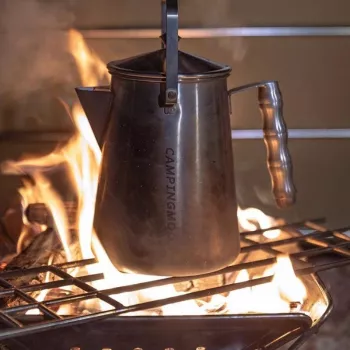
Stainless steel cookware is prized for durability and a clean look, but it isn’t perfect for every kitchen. The biggest downside is that it’s not naturally nonstick, so foods like eggs, fish, and delicate sauces can cling if the pan isn’t preheated properly or if there isn’t enough fat. That learning curve can lead to frustrating first impressions and more cleanup than expected.
Another drawback is heat behavior. Many stainless pans rely on an aluminum or copper core for even heating; lower-end options without a quality multi-ply build can develop hot spots that scorch food. Even well-made stainless can be slower to respond than thinner pans when turning the heat up or down, which matters for temperature-sensitive cooking.
Stainless steel can also discolor. Rainbow tints, cloudy white mineral haze, and brown heat stains are common, especially with high heat or hard water. While these marks usually don’t affect performance, they can make cookware look “dirty” unless it’s cleaned with the right approach (such as a gentle abrasive cleanser or vinegar for mineral deposits).
Cost and weight are practical considerations. Premium tri-ply or 5-ply stainless sets can be expensive, and larger pieces—like stockpots or sauté pans—may feel heavy, especially when full. Handles can get hot on the stovetop, and some designs are less comfortable for small hands.
For a deeper breakdown of performance tradeoffs, care tips, and what to look for when buying, visit the full guide on stainless steel cookware downsides.
For Stainless Steel Cookware Downsides: Sticking, Stains & Cost, the best answer depends on fit, material, care instructions, and how the product will be used day to day.
Checking those details first helps avoid a poor match and keeps the choice practical after delivery.
Most stainless steel cookware can go in the dishwasher, but frequent cycles may dull the finish and accelerate spotting. Hand-washing helps preserve shine and can prevent mineral haze.








Leave a comment