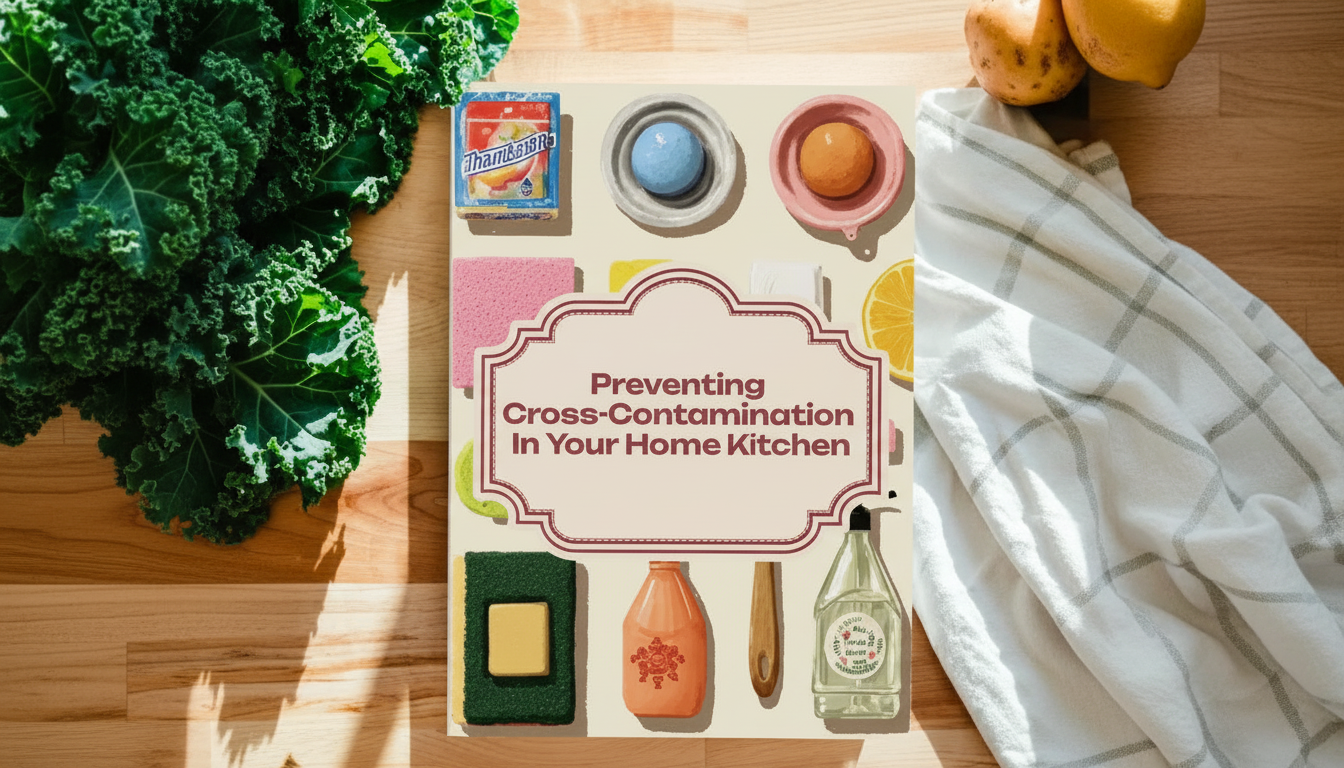
Safe food handling is about keeping harmful germs out of meals from the moment groceries come home to the moment leftovers go back in the fridge. A few consistent habits—cleaning, separating, cooking, and chilling—go a long way toward preventing foodborne illness.
Wash hands with soap and warm water for at least 20 seconds before and after handling food, especially raw meat, poultry, seafood, and eggs. Clean cutting boards, knives, counters, and sink areas with hot, soapy water, then sanitize when needed. Use fresh paper towels or clean cloths to dry surfaces so bacteria isn’t spread around the kitchen.
Prevent cross-contamination by keeping raw proteins away from produce, bread, and cooked foods. Use separate cutting boards—one for raw meat and one for fruits and vegetables—or wash thoroughly between tasks. In the refrigerator, store raw meat on the lowest shelf in a leak-proof container so drips can’t contaminate other foods.
A food thermometer is the most reliable way to confirm doneness. Cook poultry to 165°F, ground meats to 160°F, and most whole cuts of beef, pork, lamb, and veal to 145°F with a 3-minute rest. Reheat leftovers to 165°F to reduce the risk of surviving bacteria.
Refrigerate perishable foods within 2 hours (within 1 hour if the room is above 90°F). Keep the fridge at 40°F or below and the freezer at 0°F. Thaw foods in the refrigerator, in cold water (changing the water every 30 minutes), or in the microwave—never on the counter.
For a deeper, step-by-step guide, visit this safe food handling resource.
Most cooked foods should not sit out longer than 2 hours, or 1 hour if the temperature is above 90°F. After that, bacteria can multiply quickly and raise the risk of foodborne illness.









Leave a comment