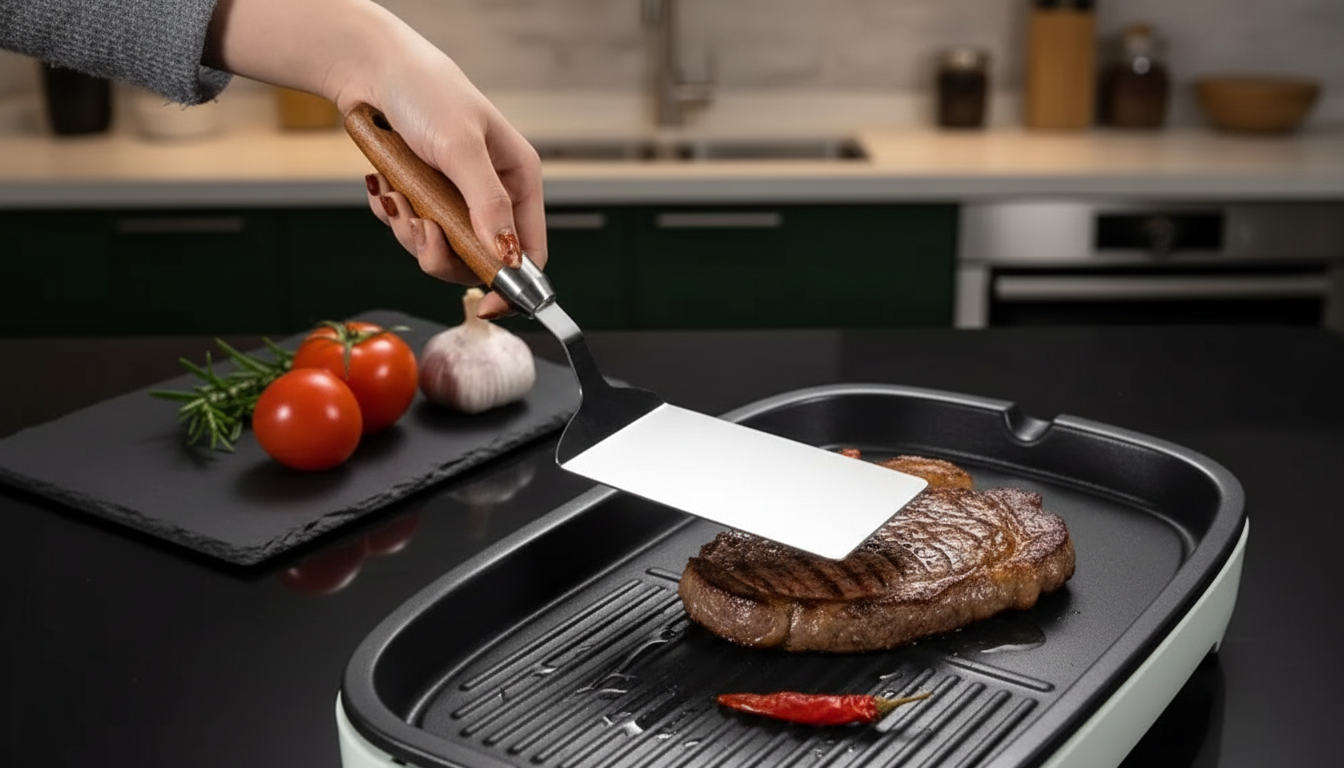
Stainless steel is generally good for cooking because it’s durable, non-reactive, and versatile across most stovetops and ovens. It won’t leach flavors into acidic foods like tomatoes or wine sauces, and it stands up well to high heat when used correctly. The main “bad” parts come down to technique: stainless steel isn’t naturally nonstick, it can develop stuck-on bits if the pan isn’t preheated properly, and thin or low-quality pans may heat unevenly.
For a deeper breakdown of pros, cons, and best-use tips, see the full guide here: https://pantrypulse.shop/is-stainless-steel-good-or-bad-for-cooking/.
Stainless steel handles searing, sautéing, simmering, and deglazing with ease. It’s also low maintenance compared with reactive metals, and it doesn’t require seasoning like cast iron or carbon steel. Many stainless pans include an aluminum or copper core to boost heat distribution, making them more predictable for daily cooking.
If food sticks, it’s often because the pan wasn’t preheated or the oil was added at the wrong time. Let the pan heat first, then add oil, then add food once the oil shimmers—this helps proteins release more cleanly. Another common issue is scorching from overheating an empty pan for too long, which can discolor the surface and make cleanup harder.
For most kitchens, yes. It’s widely considered safe and stable at cooking temperatures. Using medium to medium-high heat, avoiding prolonged empty-pan heating, and choosing reputable cookware can help minimize wear and keep performance consistent over time.
Preheat the pan for a minute or two, add oil, and wait until it shimmers before adding food. Don’t move proteins too early; they often release once they’ve browned. Using medium heat instead of blasting high heat also helps prevent sticking and burning.








Leave a comment