Weekly meal themes turn “What’s for dinner?” into a simple rhythm, and AI makes the planning faster, more flexible, and easier to repeat. Instead of building a rigid menu that collapses the moment a meeting runs late, theme-based planning gives you structure with swap-friendly options. The goal is practical: set themes, generate balanced meal ideas, build a realistic prep plan, and create a grocery list that matches your budget, pantry items, and time—without feeling boxed in.
Themes reduce daily decision fatigue by narrowing choices to a familiar lane—think “Taco Tuesday” or “Sheet-Pan Thursday.” You still get variety, but you stop reinventing dinner from scratch every night.
A theme-based week also supports flexible variety: swap proteins (chicken, beans, tofu), cuisines (Mediterranean vs. Tex-Mex), or cooking methods (air fryer vs. oven) while keeping the same basic plan. That structure makes grocery shopping more predictable because ingredients repeat across meals: shared sauces, grains, vegetables, and toppings that get used up instead of forgotten.
This approach scales smoothly for families, solo cooks, busy professionals, and anyone cooking with limited time. If the week is chaotic, do fewer themes and add more “backup” meals. If you have more breathing room, rotate in a fun cooking night without changing the system.
AI works best when it starts with your real constraints—then helps you generate options that match them.
Decide how many dinners you need, your time limits (15 minutes vs. 45 minutes), budget range, dietary needs, and how many leftover meals you want. One small change that helps: decide which nights must be quick (late workdays, practice nights) and which nights can be slower.
Pair busy nights with low-effort themes (sheet-pan, bowls, soup/sandwich) and save “project meals” for calmer days. Aim for themes that match your preferred cooking styles: stovetop, oven, slow cooker, or no-cook.
Ask for meals that share building blocks. Example: roast a big tray of vegetables once, then reuse them in bowls, wraps, and omelets. This is where AI can reduce wasted groceries and help you avoid one-off ingredients.
For each theme, pick: (1) a quick backup meal, (2) a standard meal, and (3) an optional “fun” meal. If your day goes sideways, you still have a plan that works.
| Theme | Best for | Prep-friendly building blocks | Example dinner idea |
|---|---|---|---|
| Sheet-Pan Night | Busy weeknights | Pre-chopped veg, marinade, sausage/chicken/tofu | Sheet-pan chicken, peppers, and onions with rice |
| Bowl Night | Leftover management | Cooked grain, roasted veg, quick sauce | Teriyaki tofu bowl with broccoli and brown rice |
| Pasta Night | Crowd-pleasing meals | Jarred or homemade sauce, salad kit, protein add-ins | Pasta with marinara, spinach, and turkey meatballs |
| Soup & Sandwich | Low-effort comfort | Broth base, frozen veg, deli or canned protein | Tomato soup with grilled cheese or tuna melt |
| Taco/Wrap Night | Mix-and-match dinners | Tortillas, slaw mix, beans, salsa | Black bean tacos with cabbage slaw and lime crema |
| Breakfast-for-Dinner | Fast cooking + pantry staples | Eggs, frozen hash browns, fruit | Veggie omelets with toast and berries |
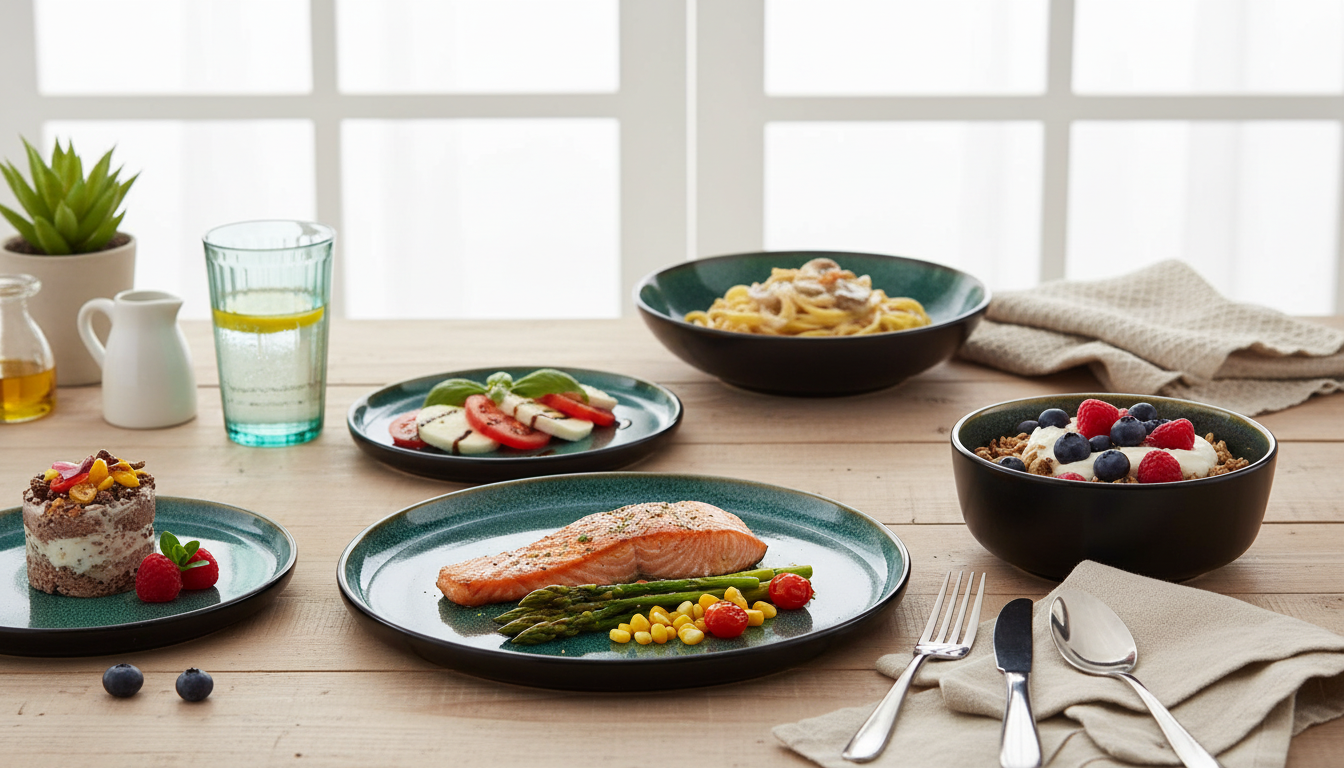
For balanced meals, use a simple visual framework like USDA MyPlate or the Harvard Healthy Eating Plate to guide portioning—then ask AI to adjust meals so vegetables and protein show up consistently across the week.
For food safety, cool cooked foods quickly, store in shallow containers, and label with dates. The USDA Food Safety and Inspection Service has clear leftovers guidance for safer storage and reheating.
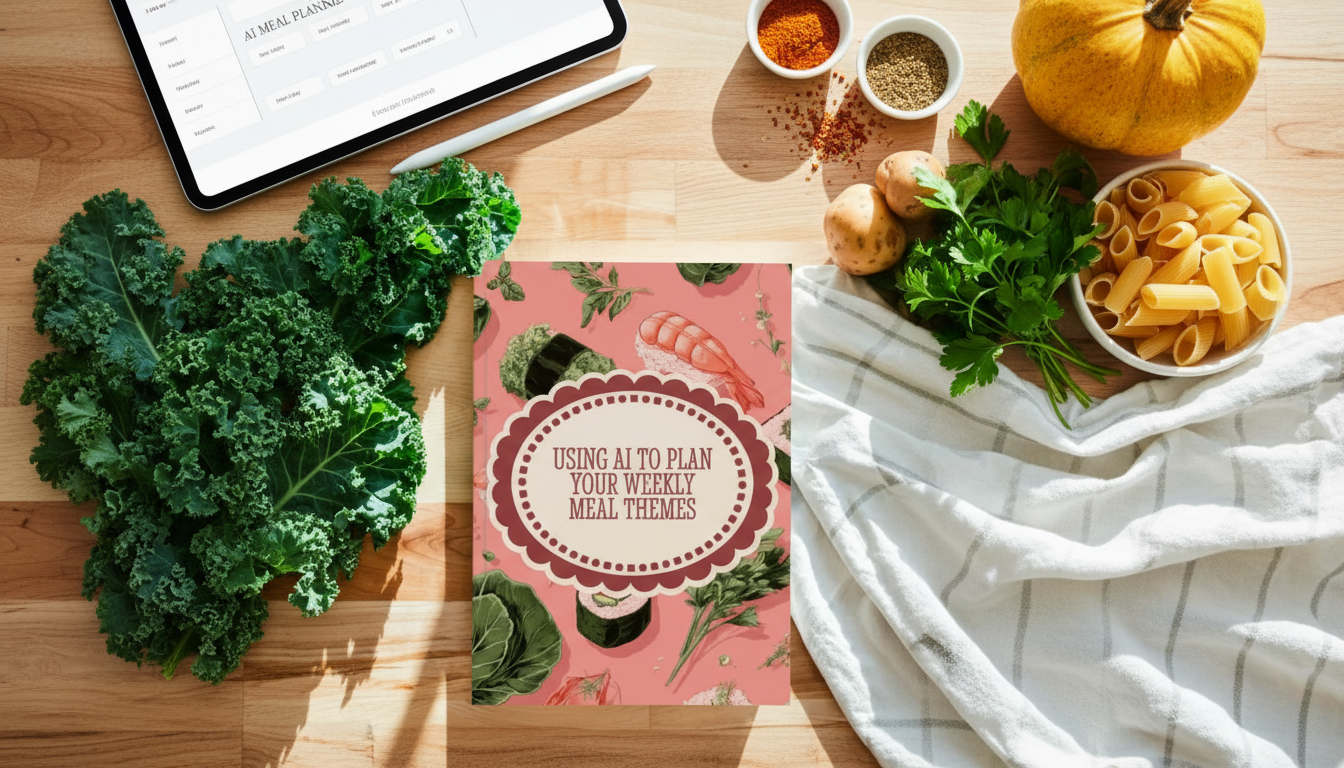
If the goal is to make this a repeatable habit, a structured resource can help—especially one built around checklists, templates, and swap-friendly examples. The Using AI to Plan Your Weekly Meal Themes | Digital Guide for Stress-Free Cooking, Meal Prep & Smart Grocery Planning | AI Meal Themes for the Week eBook Download is designed to support a simple weekly routine: 10 minutes to set constraints and themes, 10 minutes to finalize meals and your list, then a small prep session.
To make the cooking side smoother, the right tools also help keep prep quick and consistent—especially on busy theme nights. Consider a durable everyday set like the 8-Piece Heat-Resistant Silicone Kitchen Utensils Set with Wooden Handle, and for fast breakfasts or backup smoothie nights, the Mini Portable Electric Juicer can simplify “blend-and-go” options.
Start with 4–5 themes and leave 1–2 flexible nights for leftovers or easy pantry meals. Add more only after the routine feels automatic and low-stress.
Yes—use a simple plate framework (vegetables/fruits, protein, whole grains) and ask for lower-sodium options and a daily produce target. Request quick swaps (like beans or extra vegetables) that keep the theme the same while improving balance.
Themes encourage ingredient overlap, reduce one-off purchases, and make planned leftovers easier. Set a weekly budget cap and ask for cost-aware swaps (frozen vegetables, beans, or lower-cost proteins) to keep totals steady.










Leave a comment