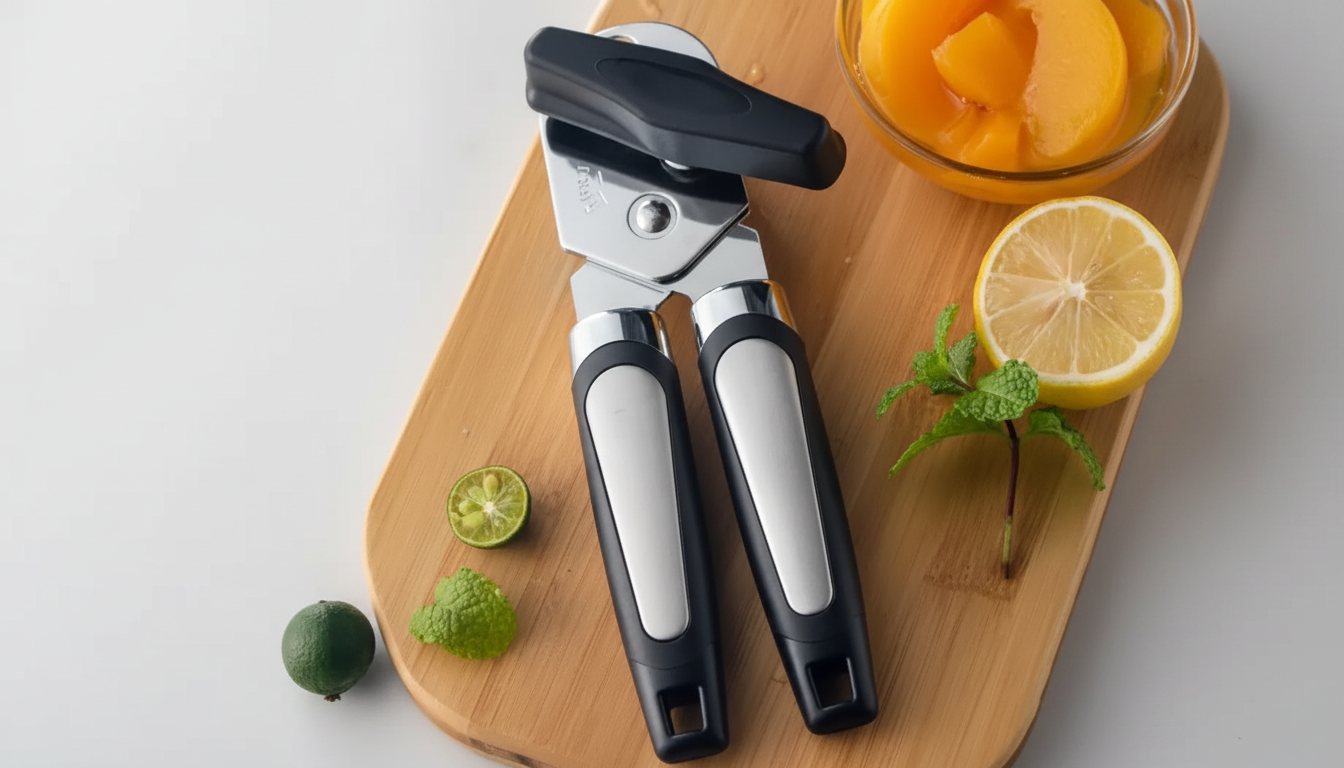
A dependable manual can opener should feel comfortable in the hand, open cans smoothly, and leave a safer edge behind. This stainless steel 3-in-1 design pairs an ergonomic grip with a safety side-cut mechanism to help reduce sharp lid edges, making everyday pantry tasks quicker and more confident. If you want a reliable hand tool that doesn’t take up counter space, consider the Stainless Steel 3-in-1 Ergonomic Manual Can Opener with Safety Side Cut (in stock).
A safety side-cut opener works differently than classic top-cut styles. Instead of slicing through the lid’s top surface, it cuts along the side of the can’s rim. When used correctly, that approach typically leaves a smoother lid and rim, which can help reduce the “razor edge” feeling people associate with traditional openers.
Even with a safer-edge design, basic cut-prevention habits still matter. For general guidance on reducing cuts and punctures during everyday tasks, review resources from the CDC.
Manual can openers can be surprisingly demanding if the grip is narrow, slick, or awkward. An ergonomic handle design aims to make cranking feel steadier and less tiring—especially when you’re opening several cans for meal prep, stocking an emergency kit, or getting ready for a camping weekend.
For compact kitchens, a manual opener is also easy to store near other frequently used tools. Pairing it with a durable utensil bundle can streamline daily cooking; the 8-Piece Heat-Resistant Silicone Kitchen Utensils Set with Wooden Handle adds versatile stirring, flipping, and scraping tools without crowding your drawers.
Stainless steel components are a popular choice for kitchen tools because they’re commonly valued for corrosion resistance—especially in humid environments where water splashes and damp dish towels are part of the routine. A rigid metal build also helps the opener stay aligned on the can rim, which supports consistent cutting from start to finish.
If you’re opening canned foods as part of weekly meal planning, safe food handling after opening is important, too. The USDA Food Safety and Inspection Service offers helpful guidance on storing leftovers and keeping foods safe once they’re opened and prepared.
A 3-in-1 can opener design is built for convenience: one compact tool that covers the core job and adds a couple of extra utility functions (which vary by design). The key is that the primary can-opening performance stays smooth and dependable, while the add-ons help you avoid digging through drawers.
For travel or backup scenarios, consider what else supports your setup. A lightweight drink option like the Mini Portable Electric Juicer can complement shelf-stable pantry items, especially when you want quick, fresh beverages without a full-sized appliance.
| Feature | Why it matters | What to look for |
|---|---|---|
| Safety side cut | Helps reduce sharp edges on lid and rim | Consistent engagement on the can’s rim and a smooth turning action |
| Ergonomic grip | More comfort and control during cranking | Non-slip handle shape that feels stable in the hand |
| Stainless steel components | Better resistance to rust and wear | Firm build, solid gear feel, and easy-to-clean surfaces |
| 3-in-1 utility | Fewer tools needed in the drawer | Secondary functions that don’t compromise the main can-opening performance |
No. It typically reduces sharpness compared with many top-cut openers, but edges can still be sharp in places, so lift lids carefully and discard them in a puncture-safe way.
Slipping is often caused by misalignment on the rim, residue on the cutting wheel/gear, worn parts, or an uneven can rim. Re-seat the opener, clean the wheel area, and crank with steady pressure rather than forcing it.
Wash or wipe it promptly, paying attention to the cutting wheel and gear track where food residue collects, then dry it thoroughly. Avoid long soaking so moisture doesn’t linger in the moving parts.









Leave a comment