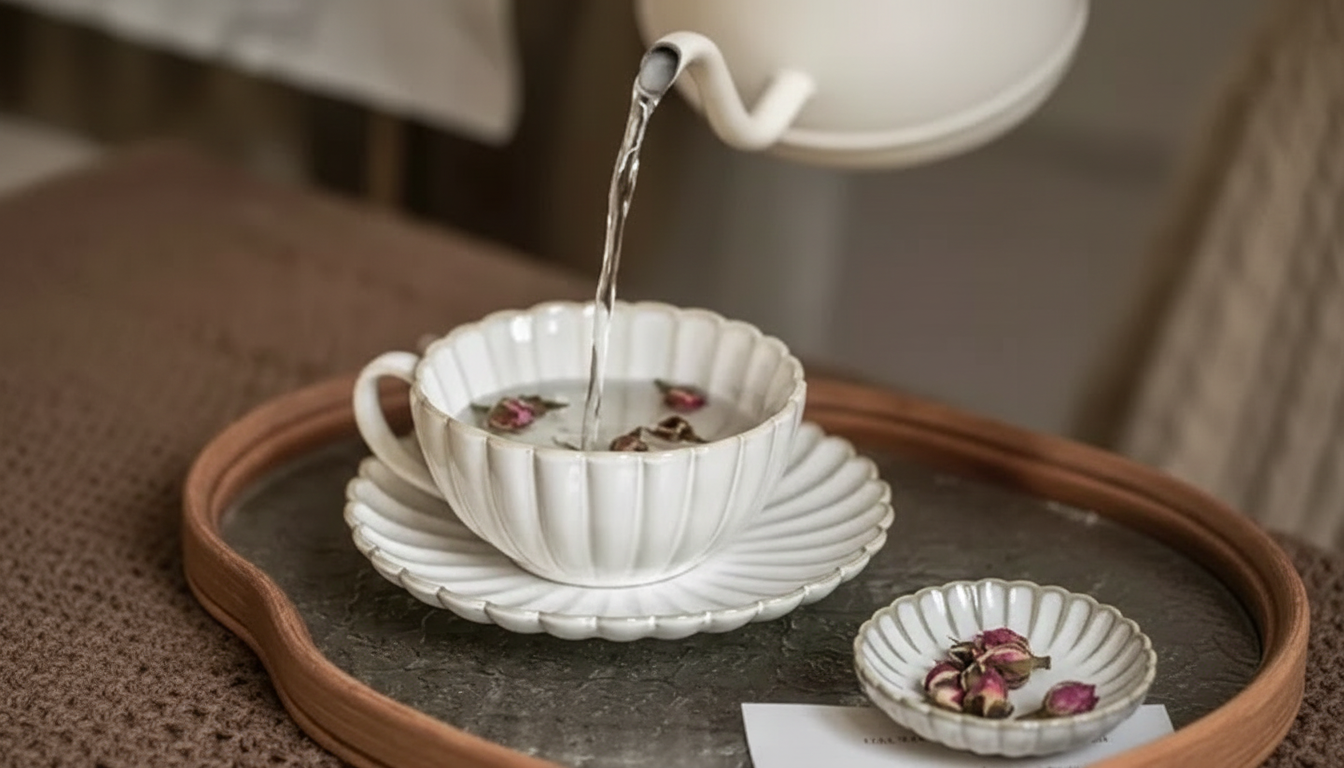
Most ceramic coffee mugs are a healthy, everyday choice because ceramic is non-reactive, doesn’t add metallic flavors, and generally won’t leach chemicals into hot drinks. The biggest health considerations come down to the glaze and how the mug is made—especially with vintage, imported, or handmade pieces that may use lead- or cadmium-based pigments.
A safe ceramic mug typically has a food-safe glaze that’s properly fired, creating a stable glass-like surface. When the glaze is formulated and cured correctly, it acts as a barrier between the clay body and your drink. Many mainstream brands sold in the U.S. meet relevant safety standards, but it’s still smart to verify claims like “lead-free” and “food safe,” particularly for decorative or artisan mugs.
Be more careful if a mug is very old, has bright decorative painting near the rim, or was purchased from an unknown source without safety labeling. Cracks, chips, or a worn interior can also increase risk because damaged glaze may expose underlying materials and create places for residue to build up. If the mug is heavily crazed (a network of fine lines), it may be harder to keep fully clean over time.
Look for mugs labeled “food safe” and “lead-free,” and consider buying from reputable retailers. Avoid microwaving mugs with metallic accents, and retire any mug that’s chipped on the drinking edge. For a deeper look at materials, labeling, and what to watch for, visit the full guide on ceramic coffee mugs.
For Ceramic Coffee Mugs: Healthy or Risky? What to Check, the best answer depends on fit, material, care instructions, and how the product will be used day to day.
The most reliable option is to use an at-home lead test swab or choose mugs clearly labeled lead-free from reputable brands. If a mug is vintage, highly decorative, or unverified, testing is a safer bet.










Leave a comment