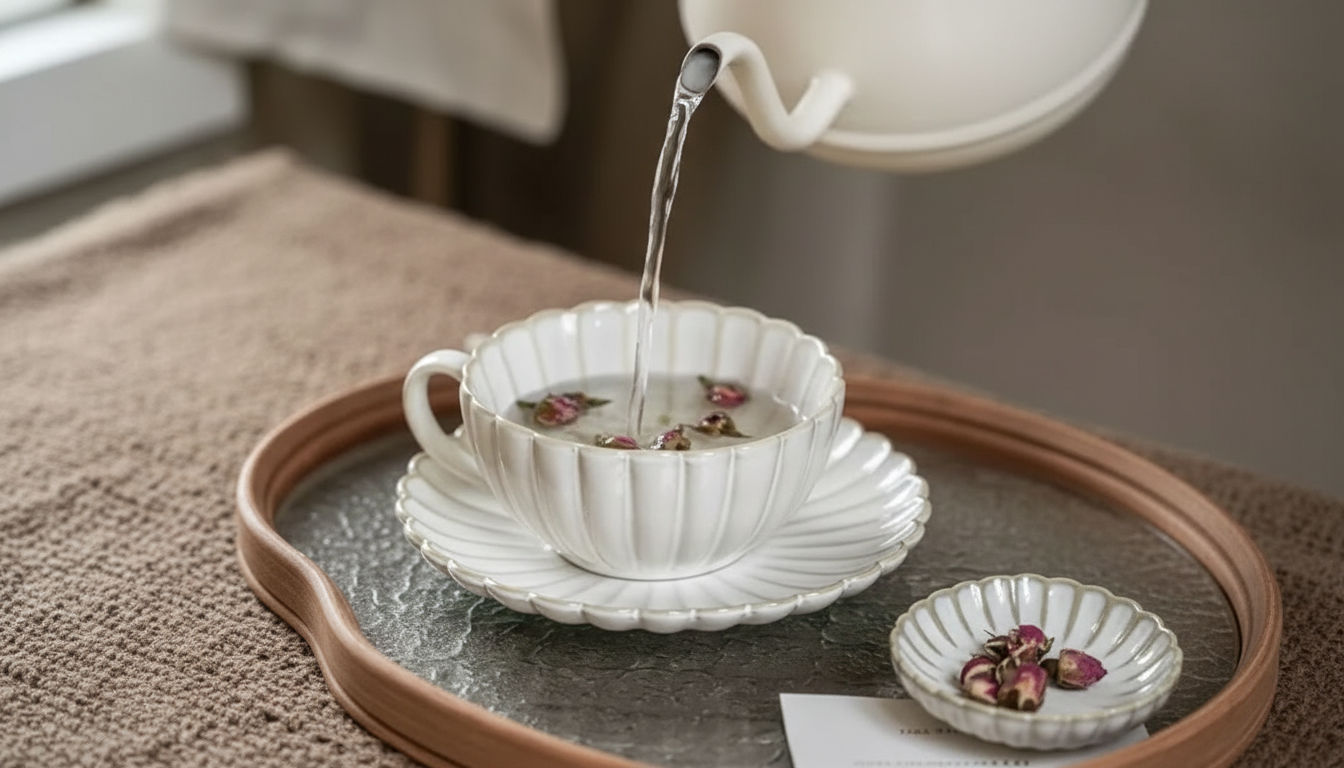
Ceramic can be a great choice for coffee, especially if the goal is a clean taste and a comfortable drinking experience. Because ceramic is non-reactive and typically has a glazed surface, it won’t add metallic notes the way some metals can, and it won’t absorb flavors as readily as porous materials. That makes it a dependable everyday option when switching between different roasts or flavored drinks.
Another advantage is how ceramic feels in the hand and on the lips. Many people prefer the smooth rim and the substantial, “mug-like” weight. Ceramic also works well for milk-based drinks because it maintains a stable temperature once warmed, helping lattes and cappuccinos stay enjoyable longer than thin-walled cups.
Ceramic tends to shine for home use, slow sipping, and taste-focused coffee drinking. A thicker ceramic mug can help reduce fast heat loss, and the neutral material keeps the aroma and flavor front and center. If odor carryover bothers you (for example, yesterday’s flavored coffee), ceramic is often easier to reset with a thorough wash than some plastics or silicone-lined drinkware.
Ceramic can chip or break if dropped, and many ceramic mugs don’t seal for travel. If portability is the priority, a quality stainless steel travel tumbler with a well-designed lid may be a better fit. Also, some ceramic glazes can stain over time with heavy use; regular cleaning (and occasional baking soda paste) helps keep it looking fresh.
For a deeper breakdown of taste, heat retention, and practical pros and cons, visit the full guide here: https://pantrypulse.shop/is-ceramic-better-for-coffee/.
For Ceramic Coffee Mugs: Better Taste, Heat & Comfort?, the best answer depends on fit, material, care instructions, and how the product will be used day to day.
Usually, yes—especially if the ceramic mug has thicker walls. Glass can lose heat faster, though double-walled glass performs much better than single-walled.









Leave a comment