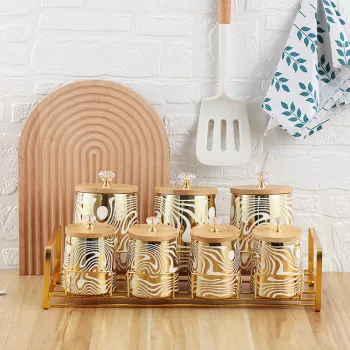
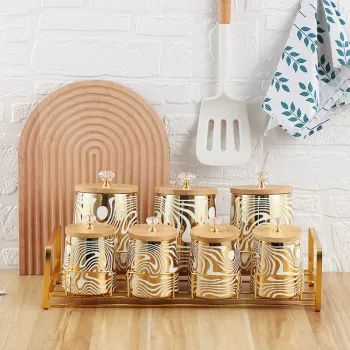
Bring order and warmth to the countertop with a coordinated set of ceramic canisters, natural wooden lids, and a sturdy metal rack. This style-forward storage setup helps keep everyday ingredients close at hand while reducing visual clutter across the kitchen. When your most-used staples have a dedicated “home,” it’s easier to keep cooking moving smoothly—especially on busy mornings and weeknights.
If you’re ready to create a calmer, more functional pantry zone without remodeling, start with a matched set like the Ceramic Kitchen Storage Jars with Wooden Lids and Metal Rack. The mix of smooth ceramic, warm wood, and clean metal lines fits right in with modern, farmhouse, and minimalist kitchens.
What comes in the set (and why it works together)
- Ceramic jars: Ceramic helps shield dry goods from light while delivering a clean, upscale look that doesn’t feel “temporary” on the counter.
- Wooden lids: Wood adds a natural accent and tends to feel comfortable in the hand—ideal for items you open multiple times a day.
- Metal rack: The rack keeps jars aligned, prevents tipping, and creates a defined storage zone so the setup looks intentional rather than scattered.
- Everyday versatility: Great for coffee, tea, sugar, flour, rice, pasta, snacks, or baking add-ins that you reach for often.
The real advantage of a coordinated jar-and-rack set is visual consistency: fewer mismatched packages, fewer half-open bags, and a countertop that feels calmer even when life gets busy.
Best places to use the jars and rack
- Countertop pantry station: Place the rack near the coffee maker, toaster, or baking area for fast access to the ingredients you use most.
- Open shelving: The rack groups items so the display reads as organized décor, not a row of random containers.
- Inside a cabinet: Use the rack as a pull-forward “caddy” so jars don’t get lost in the back behind taller items.
- Small kitchens: A single, organized footprint keeps storage from spreading across multiple surfaces and stealing prep space.
Placement tip: keep the rack close to where you actually use the contents. Coffee across the kitchen from the machine tends to become clutter; coffee within arm’s reach tends to stay tidy.
Choosing what to store in ceramic jars
- Pick dry, scoopable items you use weekly (or daily): The best countertop storage is the stuff you repeatedly reach for—think coffee, sugar, tea, rice, pasta, or snack mixes.
- Consider aroma transfer: Coffee beans and certain teas are fragrant. If you open multiple jars in the same small space, keep strongly scented items grouped together and away from more neutral ingredients.
- Labeling helps: Minimal labels (or simple tags) prevent mix-ups between similar-looking ingredients like sugar vs. flour or baking powder vs. powdered sugar.
- Avoid overly oily or moisture-sensitive items: Very oily powders or items that cake easily can clump if exposed to humidity, especially if the lid isn’t designed to be airtight.
For safe storage timeframes and general guidance, follow basic food-storage recommendations from trusted sources like the U.S. Food & Drug Administration and the USDA Food Safety and Inspection Service.
Care and cleaning for ceramic, wood, and metal
- Ceramic jars: Wash with warm, soapy water and dry fully before refilling. A completely dry interior helps protect dry goods from unwanted moisture.
- Wooden lids: Wipe clean and dry promptly. Avoid prolonged soaking, which can warp natural wood or dull the finish.
- Metal rack: Wipe with a damp cloth, then dry to prevent water spots and preserve the look of the finish.
- Routine reset: Empty crumbs and wipe jar rims so lids seat consistently. A clean rim helps the lid sit flatter and makes the whole set feel “fresh.”
Small habit, big payoff: once a week, lift the jars, wipe the counter underneath, and return each jar to the same slot. Consistency is what keeps a system from slowly drifting into clutter.
Quick guide: what goes where
| Kitchen routine |
Good jar candidates |
Best placement |
| Coffee & tea |
Coffee beans/grounds, tea bags, sugar |
Near kettle or coffee maker |
| Baking |
Flour, brown sugar, chocolate chips |
Near mixing bowls and measuring tools |
| Weeknight cooking |
Rice, pasta, breadcrumbs |
Near stove-side pantry zone |
| Snack grab |
Nuts, granola, crackers |
Edge of counter or open shelf |
Pairing ideas for a cohesive countertop setup
FAQ
Are wooden lids safe for food storage?
Yes for dry-goods storage when kept clean and dry. Avoid soaking the lids, wipe off food dust, and make sure the lid is fully dry before closing to limit moisture exposure.
What should not be stored in ceramic kitchen jars?
Avoid very wet or perishable foods unless the container is specifically designed for that purpose. Ceramic pantry jars are best for dry staples that won’t spoil at room temperature.
How do the jars stay organized on a metal rack?
Assign each jar a consistent spot on the rack, keep the most-used ingredients in the easiest positions, and add simple labels so refills always return to the same location.
Recommended for you









Leave a comment